

The Silent Pressure of Being Strong All the Time

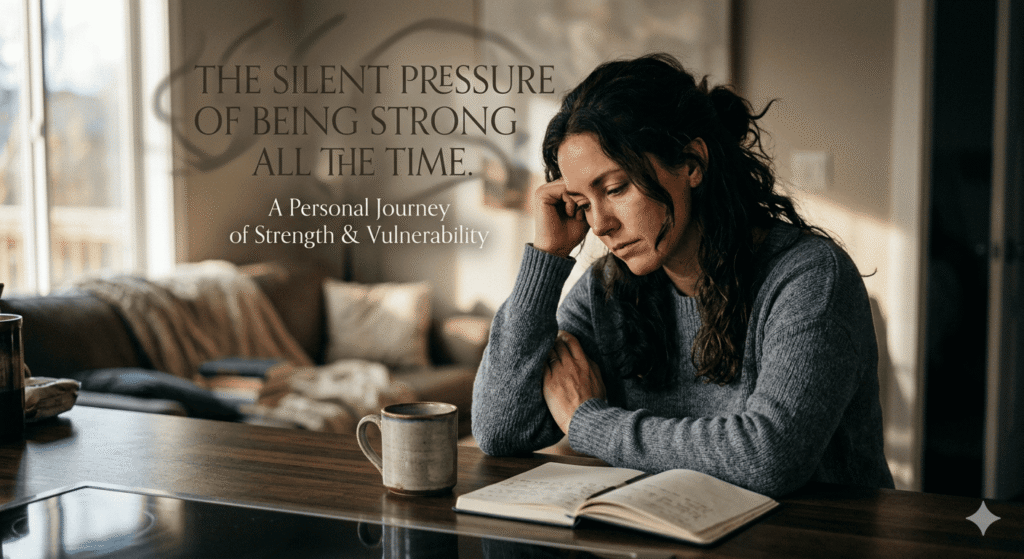
Introduction: When Strength Becomes a Burden
Everyone admires the strong person
There is often one person in every family, workplace, or relationship who is known for being strong.
They handle problems.
They support others.
They stay calm during difficult situations.
They rarely complain.
People often say:
“You’re so strong.”
“You always manage somehow.”
“I don’t know how you do it.”
And while these words may sound like praise, they sometimes create an invisible pressure.
The pressure to keep being strong.
What happens when the strong person gets tired?
The truth is that even the strongest people get overwhelmed.
They get hurt.
They feel exhausted.
They need support too.
But when someone becomes known as the “strong one,” they often stop giving themselves permission to be vulnerable.
And that is where emotional exhaustion begins.
What Does “Being Strong” Really Mean?
Strength is not the absence of emotions
Many people mistakenly believe that being strong means:
- never crying
- never feeling overwhelmed
- never asking for help
- handling everything alone
- always staying positive
But true strength is not about suppressing emotions.
It is about being able to face emotions honestly.
The problem begins when strength becomes an identity
Over time, some people become so used to being the dependable one that they feel guilty whenever they struggle.
They start believing:
“I should be able to handle this.”
“Others need me.”
“I can’t fall apart.”
And slowly, their emotional needs get pushed aside.
Why People Feel the Need to Stay Strong All the Time
Fear of burdening others
Many people hide their struggles because they do not want to worry those around them.
They think:
“Everyone already has enough problems.”
“I don’t want to add to their stress.”
So they carry everything silently.
Fear of appearing weak
Some people grew up believing that showing emotions is a sign of weakness.
They learned to stay composed even when they were hurting.
As adults, they continue doing the same thing.
Being the caretaker for everyone else
When others constantly rely on you, it can become difficult to admit that you need support too.
You become the person who listens, helps, and supports everyone.
But who listens to you?
The Emotional Cost of Always Being Strong
Suppressed emotions begin to accumulate
When emotions are repeatedly ignored, they do not disappear.
They stay within.
The sadness.
The frustration.
The disappointment.
The fear.
Everything gets stored quietly beneath the surface.
Emotional exhaustion follows
Over time, many people begin to feel:
- emotionally drained
- mentally tired
- disconnected from themselves
- lonely despite being surrounded by people
- overwhelmed by small things
Not because they are weak.
But because they have been carrying too much for too long.
How the Body Responds to Emotional Pressure
The body carries what the heart cannot express
Emotional pressure often shows up physically.
Many people experience:
- constant fatigue
- headaches
- muscle tension
- disturbed sleep
- heaviness in the body
- chest tightness
- digestive discomfort
The body often becomes the messenger for emotions that have remained unspoken.
Feeling tired all the time
One of the most common signs is unexplained exhaustion.
You may rest physically and still feel tired.
Because emotional pressure also consumes energy.
Signs You May Be Carrying the Silent Pressure of Being Strong
You rarely talk about your struggles
You listen to everyone else’s problems but rarely share your own.
You feel guilty asking for help
Even when you are struggling, you tell yourself to handle it alone.
You keep saying “I’m fine”
Even when you know you are not.
You feel emotionally isolated
People may admire your strength, but few truly understand how much you are carrying.
You struggle to relax
Your mind always feels responsible for something.
Why Vulnerability Is Not Weakness
You are human before you are strong
Many people believe vulnerability will make them appear weak.
In reality, vulnerability creates connection.
It allows others to see the real person behind the strength.
Strength and softness can exist together
You can be resilient and emotional.
You can be capable and tired.
You can be supportive and still need support.
These things are not opposites.
They are part of being human.
How Emotional Healing Can Help
Creating space for your own emotions
Emotional healing helps people move beyond survival mode.
It creates a safe space to acknowledge emotions that may have been ignored for years.
Releasing the pressure of always holding everything together
Through emotional healing, a person can:
- reconnect with their feelings
- reduce emotional exhaustion
- express emotions safely
- release accumulated pressure
- develop healthier emotional boundaries
The goal is not to become less strong.
The goal is to stop carrying unnecessary emotional weight alone.
Small Ways to Take Care of Yourself
Allow yourself to be honest
You do not always have to say “I’m fine.”
Sometimes honesty is the first step toward healing.
Accept support
You are allowed to lean on others sometimes.
Support is not a sign of weakness.
It is part of being human.
Create emotional outlets
Journaling, conversations, reflection, or guided emotional support can help release emotional pressure.
Stop carrying everything alone
Not every burden is yours to carry.
Learning to share the load can bring relief.
Final Thoughts: Even the Strong Need Support
The world often celebrates strength.
But sometimes, the strongest thing you can do is admit that you are tired.
You do not have to prove your resilience every day.
You do not have to carry every responsibility alone.
You do not have to hide every emotion.
Because true strength is not about never breaking.
It is about allowing yourself to be human.
And sometimes, being human means putting down the weight you’ve been carrying for far too long.
FAQs
1. What does it mean to always be strong emotionally?
Constantly carrying emotional responsibility
It often means handling problems, supporting others, and suppressing your own emotions without giving yourself space to process them.
2. Can being strong all the time affect mental health?
Yes, emotional pressure can build up
Over time, constantly suppressing emotions can contribute to emotional exhaustion, anxiety, stress, and burnout.
3. Why do I feel tired even when I seem strong?
Emotional effort also uses energy
Supporting others, hiding emotions, and carrying responsibilities can create emotional fatigue that affects both mind and body.
4. Is asking for help a sign of weakness?
No, it is a sign of self-awareness
Recognizing when you need support is a healthy and important part of emotional well-being.
5. What are signs of emotional exhaustion?
Common signs include
- constant tiredness
- irritability
- feeling emotionally numb
- disturbed sleep
- difficulty focusing
- feeling overwhelmed easily
6. How can emotional healing help?
It helps release emotional pressure
Emotional healing supports emotional expression, reduces inner burden, and helps restore balance, clarity, and inner peace.
Leave a Reply